
Yet you're still dealing with bleeding gums, bad breath, tooth sensitivity, or other issues that seem to come back no matter what you do. If that sounds familiar, you're definitely not alone. Many people faithfully follow traditional dental advice for years and still feel like their oral health keeps going downhill.
Ongoing oral health problems can make you feel self-conscious when talking to people, smiling in photos, or enjoying time with family and friends. On top of the daily discomfort, they can also leave you worried about expensive dental treatments and future procedures.
For decades, the common belief was that eliminating as many bacteria as possible was the key to a healthy mouth. Today, researchers are exploring another possibility: maintaining a healthy balance between beneficial bacteria and potentially harmful bacteria may be an important part of supporting oral health. This shift in thinking has sparked growing interest among universities and research institutions around the world.
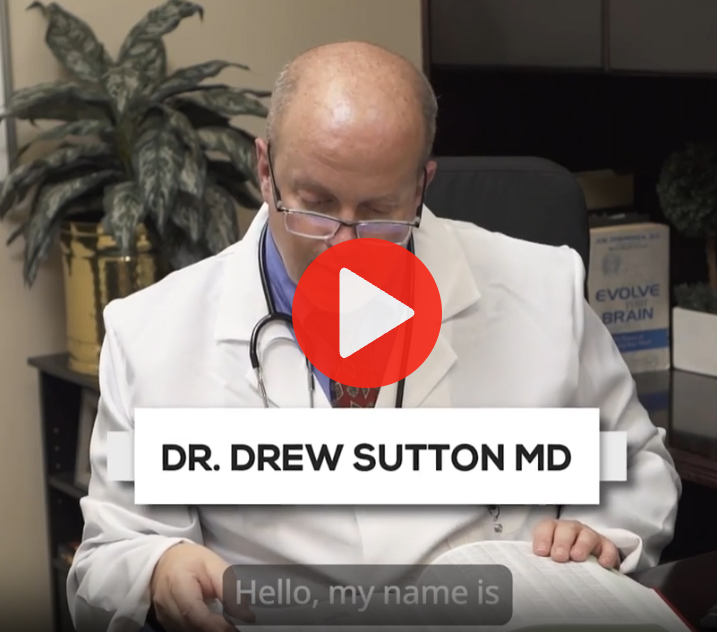
According to the presentation, the physician behind this research spent years studying patients with recurring oral health concerns before focusing on the oral microbiome. The idea presented is that certain beneficial bacteria may help support a healthier environment in the mouth, working alongside good oral hygiene and professional dental care.The presentation also references research associated with institutions such as Harvard University, the University of São Paulo, the University of Otago in New Zealand, and other international scientific publications as part of its discussion.
According to the presentation, more than 150,000 people have tried the approach being discussed. It also features testimonials from individuals who reported improvements in gum comfort, less bleeding, fresher breath, and greater confidence in their smiles. These are personal experiences and should not be interpreted as guaranteed results.
In the video, the presenter explains:
1- Why the oral microbiome has become such an important topic of research.
2- The scientific studies referenced throughout the presentation.
3- How this perspective differs from more traditional approaches discussed in the video.
4- Practical strategies that may help support a healthier oral environment.
If you're curious about this emerging area of research, watch the full presentation and decide for yourself.